Every day in higher education news seems to bring another story about an institution having to find new ways to address financial challenges. Some of these changes are presented as necessary steps to secure a sustainable future but many more seem to be concerned simply with survival. Beyond the immediate worry about those who might be losing their jobs and the impact on communities of campus contractions another concern is that some of these steps may appear necessary tactically but they are not good strategic decisions for the future.
As the current challenging environment continues it becomes ever more likely that more higher education institutions (HEIs) will take decisions which are not in their long term interests nor in the interests of the sector or society. Short term expediency is trumping longer term thinking. Higher education though really needs the opposite to happen.
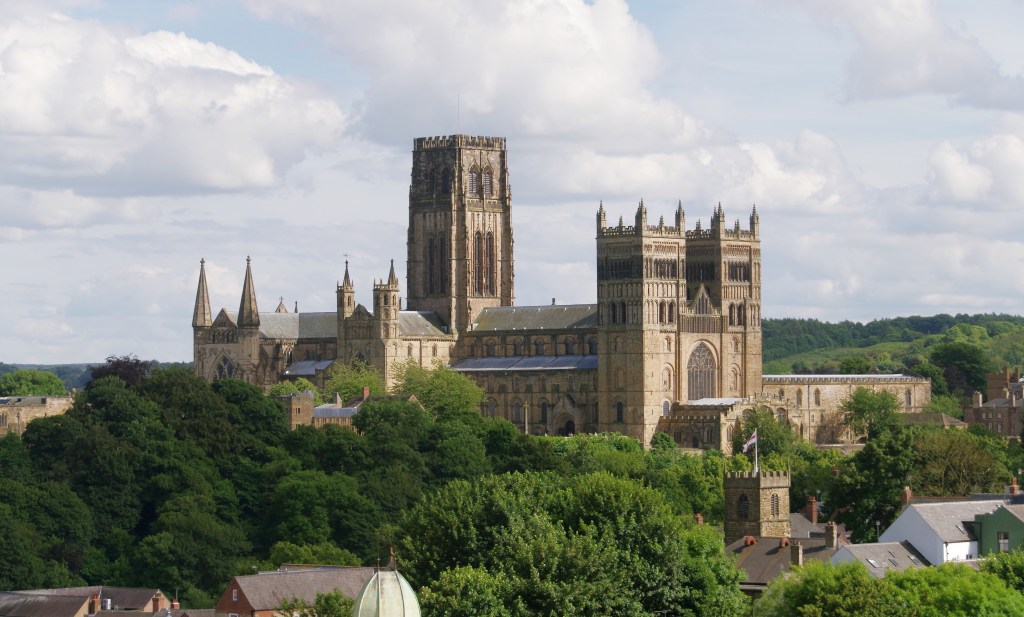
I wrote a piece for HEPI a while back on this and the need for more ‘cathedral thinking’ in higher education. You can see the full piece on the HEPI website but the fundamental point is that, while it is not surprising that many in the sector are concentrating on survival rather than strategy, higher education institutions are fundamentally long-term operations. HEIs exist to educate students and undertake research intended to benefit society into the future and therefore should not be losing sight of the bigger issues.
HEIs are the embodiment of ‘cathedral thinking’, ie a long-term activity which is ultimately for the good of future generations. There is a real risk, though, that the short-termism prevalent in institutions and wider society will undermine this.
Looking down not forward
Given the current climate in HE it can difficult to look beyond the immediate problems, the issues right here and now which just have to be addressed, or there might be no future. HEIs should be well-placed to take longer-term views of everything and not be distracted by temporary troubles. Many have been around for centuries in one form or another and have found ways to survive even when times were exceptionally difficult. But it does feel right now that HEIs are focused very much on the short term and the risk with this is that they take decisions which turn out not to be in their, the sector’s or the country’s long term interests. They are looking down not up and forward.
HEIs have to take a long-term view, but that is difficult when governments struggle to see beyond the next stage in the current election cycle or indeed have other even more pressing priorities. Indeed it does seem that the Government is avoiding facing up to these bigger issues and is standing back. The worry then is that we end up with more cold spots, significantly reduced national capacity in key disciplinary areas and HEIs which forget how to collaborate.
Cathedral thinking
HEIs have all the ingredients to ensure they balance short-term needs and longer-term priorities. The nature of education and research dictates a different perspective. Universities and colleges should be really good at this.
I recently read this excellent novel by Benjamin Myers which, as it covers a range of historical periods from the early viking invasions around Lindisfarne in the 8th Century through to more modern times.
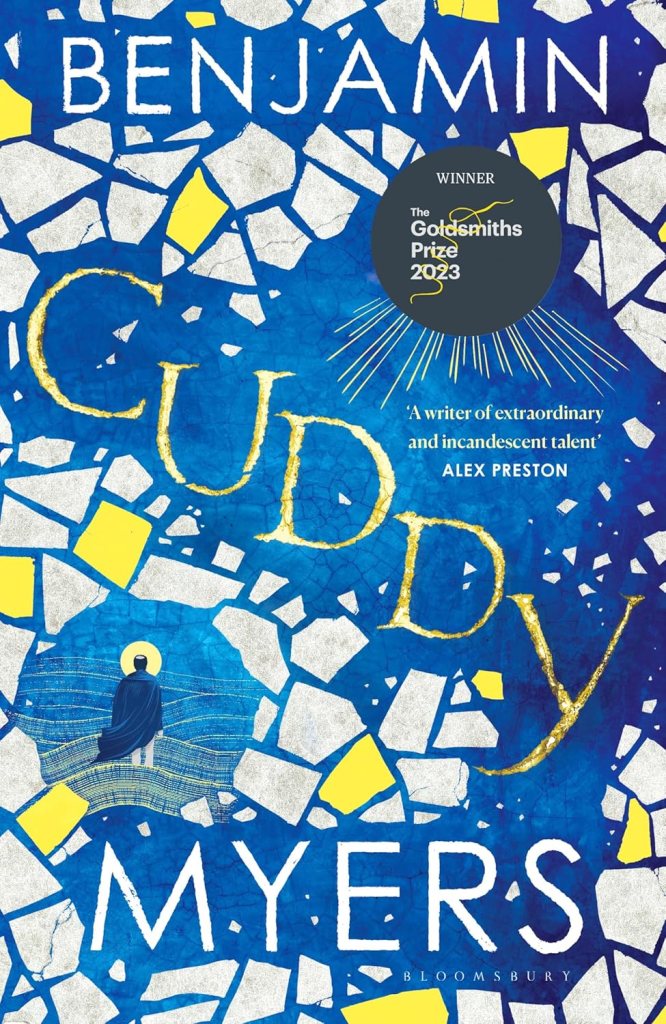
But the central feature in most of the book is Durham Cathedral which started as the planned eternal resting place for St Cuthbert in the 11th Century (following over a century of successive teams wandering around with a coffin trying to find the right location) and then outlasts everyone else in the story. It really is a compelling tale and a reminder of the literal power of cathedral thinking.
To ensure long-term certainty, universities and colleges ultimately have to take more into their own hands. This means finding new ways to collaborate and to push back against the tide of excessive and burdensome regulation while at the same time engaging with government priorities. Above all, though, it means taking the long-term view – cathedralic higher education.


 The Wonderful (& Frightening) World of HE
Leave a comment