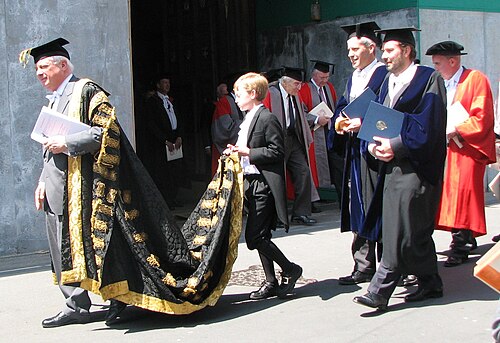
Some observations on University Chancellors. And an exciting Chancellorial quiz.
People unfamiliar with UK university structures and governance sometimes assume, understandably, that if you have a Chancellor and a Vice-Chancellor at the top of an institution then it is the former not the latter who will be in charge. Of course the reverse is very much the case although if you look at other higher education systems around the world there are some places such as the US, where a Chancellor does occupy a senior leadership position (such as a head of a campus within a state system) rather than simply being an honorary figurehead.
So what is involved in the largely ceremonial role of Chancellor? Well, there are no rules other than that they tend to have no power at all or almost none. The most significant formal role they have is usually to preside at graduation ceremonies and confer degrees. This is particularly handy when the Vice-Chancellor is away from the university on important business (as can happen during graduation season). They also have an advocacy role, being a public voice for the great works of the institution as well as an ambassadorial function, shaking hands with the great and good wherever they might be found to help deals get done. There are other things along these lines but this is the core of the job. And they very much are not in charge, even if they sometimes feel that they would like to be.
Getting the gig
This piece from Gill Evans for HEPI focuses very much on Oxford and Cambridge and their distinctive approaches to Chancellor appointments. Other universities are available though and they tend to follow a pattern of governing body appointment following some form of invitation to the university community to suggest names. Elections are few and far between (only Manchester and London beyond Oxbridge I think hold a vote) which does mean there are plenty of opportunities when vacancies arise.
If you do hanker after a Chancellorship then you really need to fall into one of three categories: Celeb, Achiever or Dignitary. Most UK university Chancellors can be allocated thus as we will see. And in some very special cases some individuals are actually Chancellor at more than one institution (which seems a bit unfair on all those aspiring to the role).
One AI offering provides the following advice for anyone seeking such a position:
Becoming a university chancellor generally requires a distinguished career, often as a high-profile public figure, business leader, or senior academic, rather than a traditional promotion path. They are typically appointed by a Board of Governors or elected to serve as the ceremonial head, ambassador, and advocate for a university’s strategic vision.
Key Requirements and Steps
- Achieve High-Level Prominence: Chancellors are frequently chosen from among leaders in government, industry, or public life, possessing experience that can enhance the institution’s reputation.
- Develop Strong Leadership & Communication Skills: Candidates must inspire diverse audiences, demonstrate integrity, and possess the ability to foster relationships with staff, students, and alumni.
- Understand Higher Education: While not always required to be academics, candidates need a solid understanding of the challenges and opportunities facing modern universities.
- Navigate the Selection Process: Appointments are made by governing bodies (e.g., Board of Governors, Council) and may involve nominations from the university community.
- Apply for Specific Roles: Look for openings advertised by universities. For example, some institutions allow for direct self-nomination or nominations from alumni/staff.
In other words, be successful or famous already if you want to stand a chance. Speculative applications are unlikely to succeed though, despite the suggestion in the final bullet.
In with the in-crowd
One of my favourite meetings ever in my previous university role was an online gathering of 30 or so university chancellors which I was privileged to attend. It really was a get together of the full range of celebs and achievers (only a few dignitaries though). Everyone on the call was genuinely excited to be there and indeed one of them was so enthusiastic they tripped over on their way to join the call, resulting in a bloody nose – their delight was undimmed though. Unfortunately, the excitement was such that the introductions and expressions of pleasure at being involved took up most of the meeting time so the main issue of what they could do together was never really progressed and I don’t think it ever happened again in quite the same way.
In a different approach to making an impact I do recall receiving regular letters from one particular activist Chancellor who was always writing trying to galvanise other Chancellors into action on a range of worthy issues. I don’t think that really worked either.
Quiz time – Spot the Chancellor
So, time to test your Chancellorial knowledge with a simple quiz.
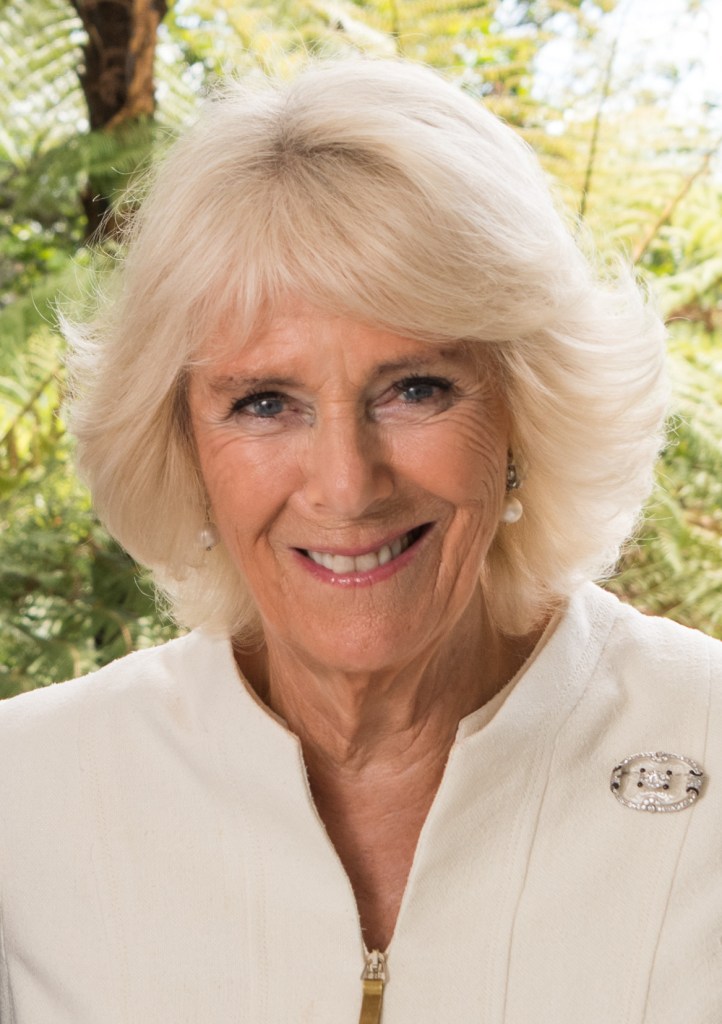
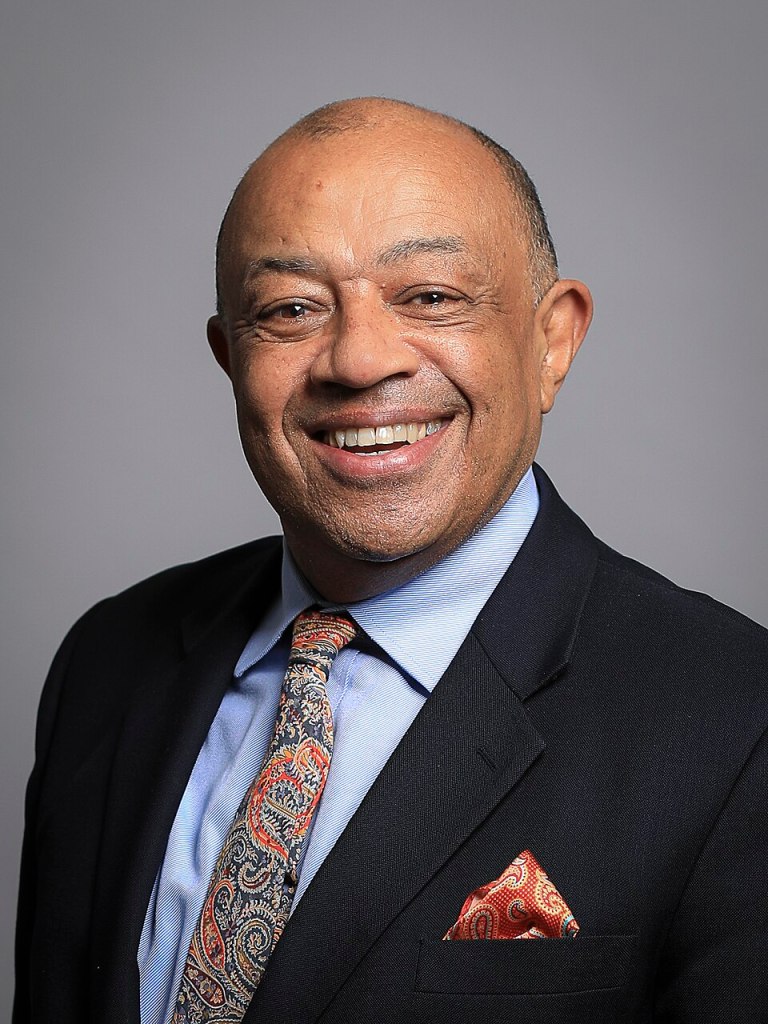
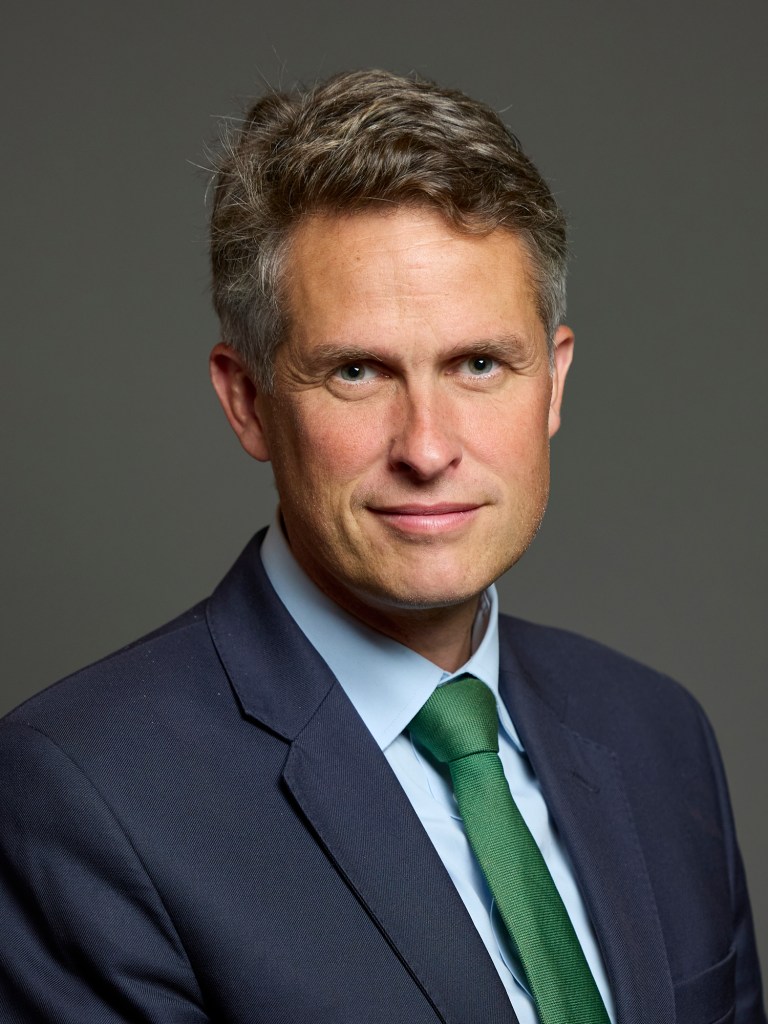
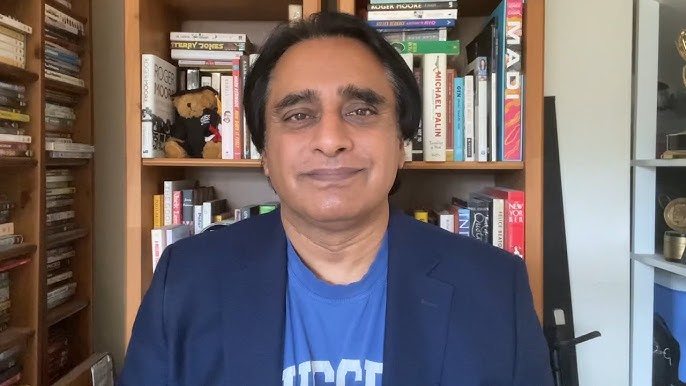
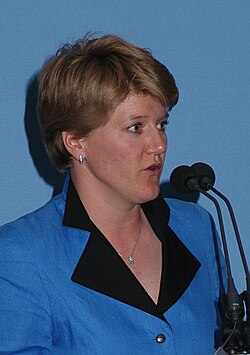
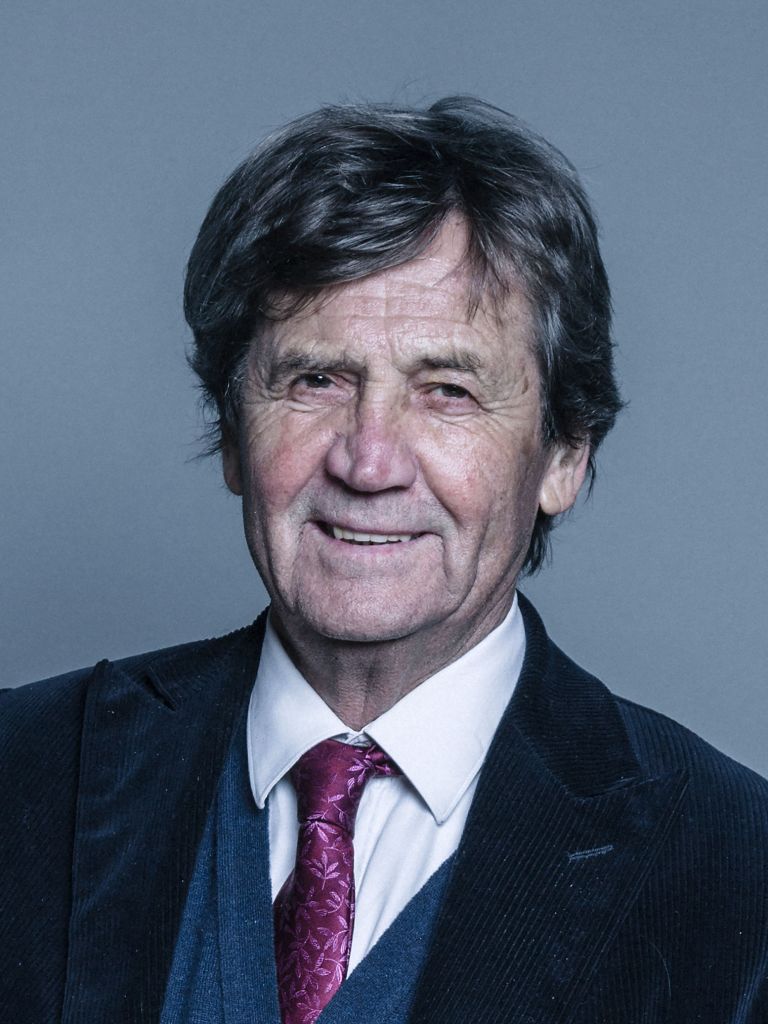
Below we have 20 pictures of Celebrities, Achievers and Dignitaries. We also have 15 universities listed. All you have to do allocate the right Chancellor to the right university. To make it a little bit harder though you will have to work out which are Chancellors and which are Notcellors as well as linking them to the correct institution. You can find the answers here. But no Googling, it really does take the last remaining shred of fun out of this utterly pointless activity. And do post those scores in the comments section below. No prizes for the winner but plenty of glory and, who knows, perhaps even a shot at the Chancellorial big time?
Universities
Sussex University
Robert Gordon University
Queen’s University Belfast
Leeds Arts University
University of Greenwich
University of Hull
Hartpury University
University of Sunderland
Falmouth University
King’s College London
University of Cambridge
Open University
Southampton Solent University
University of Aberdeen
Harper Adams University
Chancellors, or not?















 The Wonderful (& Frightening) World of HE
Leave a comment